



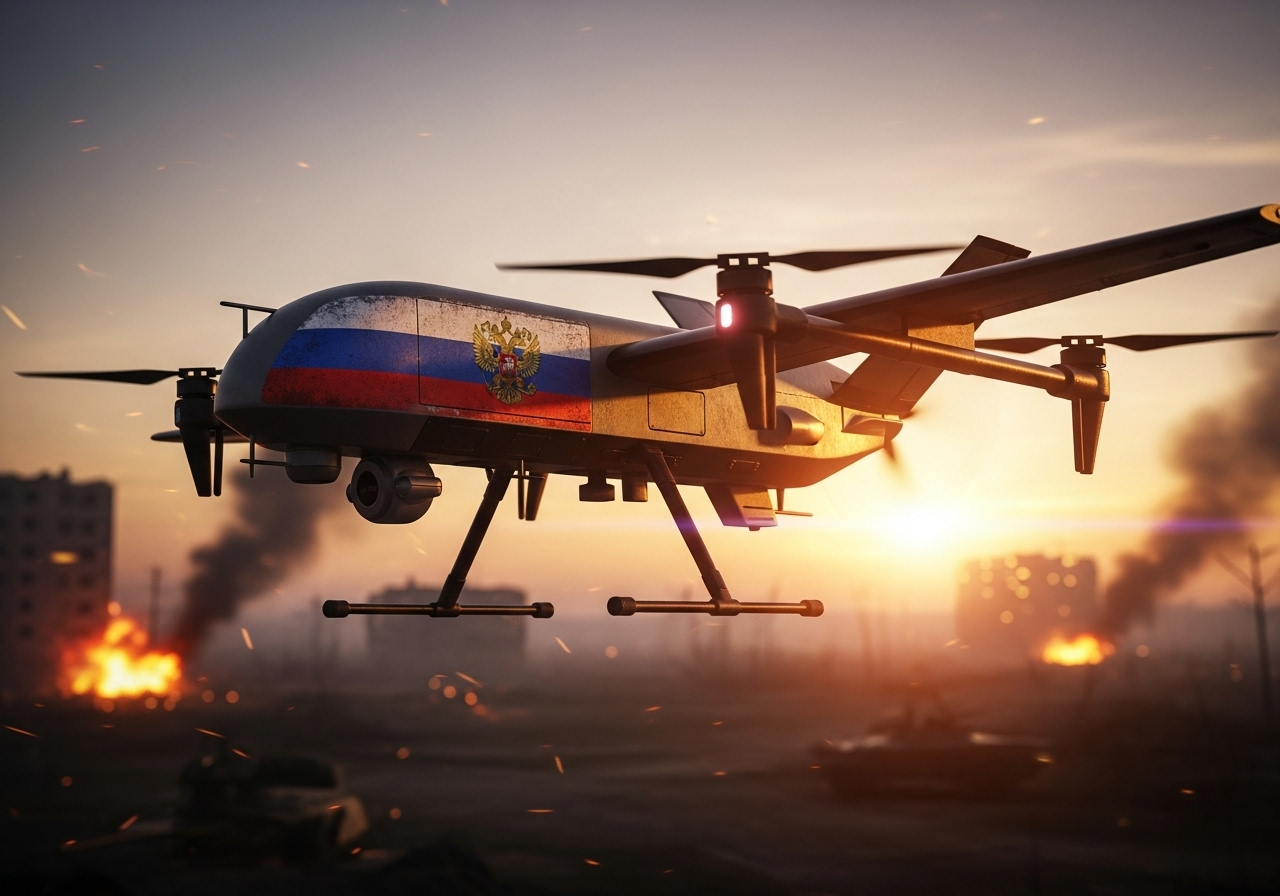
Rising Drone Threats from Russia
Recent months have seen a surge in Russian drone operations near NATO member borders, particularly in Eastern Europe. These incursions, often involving surveillance and potential sabotage, have prompted urgent discussions among EU and NATO leaders about enhancing airspace protection and counter-drone capabilities.
According to CNN Europe, the European Union is actively considering the construction of a “drone wall” — a coordinated defense system spanning multiple member states to detect and neutralize hostile drones. This initiative would integrate radar systems, jamming technologies, and rapid-response units to safeguard critical infrastructure and civilian areas.
NATO’s Strategic Response
NATO Secretary General Jens Stoltenberg emphasized the alliance’s commitment to collective defense, stating that any threat to member states will be met with unified action. In recent weeks, NATO has deployed additional troops, surveillance aircraft, and air defense systems to countries bordering Russia, including Poland, Estonia, Latvia, and Lithuania.
These reinforcements aim to deter further provocations and reassure member states of NATO’s readiness. The alliance is also conducting joint exercises focused on drone interception and electronic warfare, preparing forces for real-time response scenarios.
EU’s Push for Coordinated Defence
Beyond NATO’s military measures, the European Union is exploring legislative and technological solutions to counter drone threats. Discussions include stricter regulations on drone manufacturing and imports, increased funding for border security, and enhanced intelligence sharing among member states.
Former Ukrainian Prime Minister Arseniy Yatsenyuk has urged EU leaders to seize Russian assets to fund Ukraine’s defense and broader European security initiatives. His remarks underscore the urgency of resource mobilization in the face of evolving threats.
Implications for Regional Stability
The escalation of drone-related tensions marks a new phase in the Russia-West standoff. Unlike traditional military confrontations, drone warfare operates in legal and strategic gray zones, making it harder to attribute attacks and respond proportionally.
For Eastern European nations, the threat is not just military but psychological. Frequent drone sightings near borders create a climate of fear and uncertainty, disrupting daily life and economic activity. NATO’s reinforcements aim to restore confidence and demonstrate that member states are not alone in facing these challenges.
Looking Ahead
As NATO and the EU adapt to emerging threats, the emphasis is shifting toward agility, innovation, and unity. The proposed drone wall could become a landmark in European defense architecture, symbolizing a collective shield against asymmetric warfare.
While diplomatic channels remain open, the current trajectory suggests a prolonged period of strategic competition. NATO’s eastern flank will likely remain a focal point for defense investments, policy debates, and technological advancements in the years ahead.
