



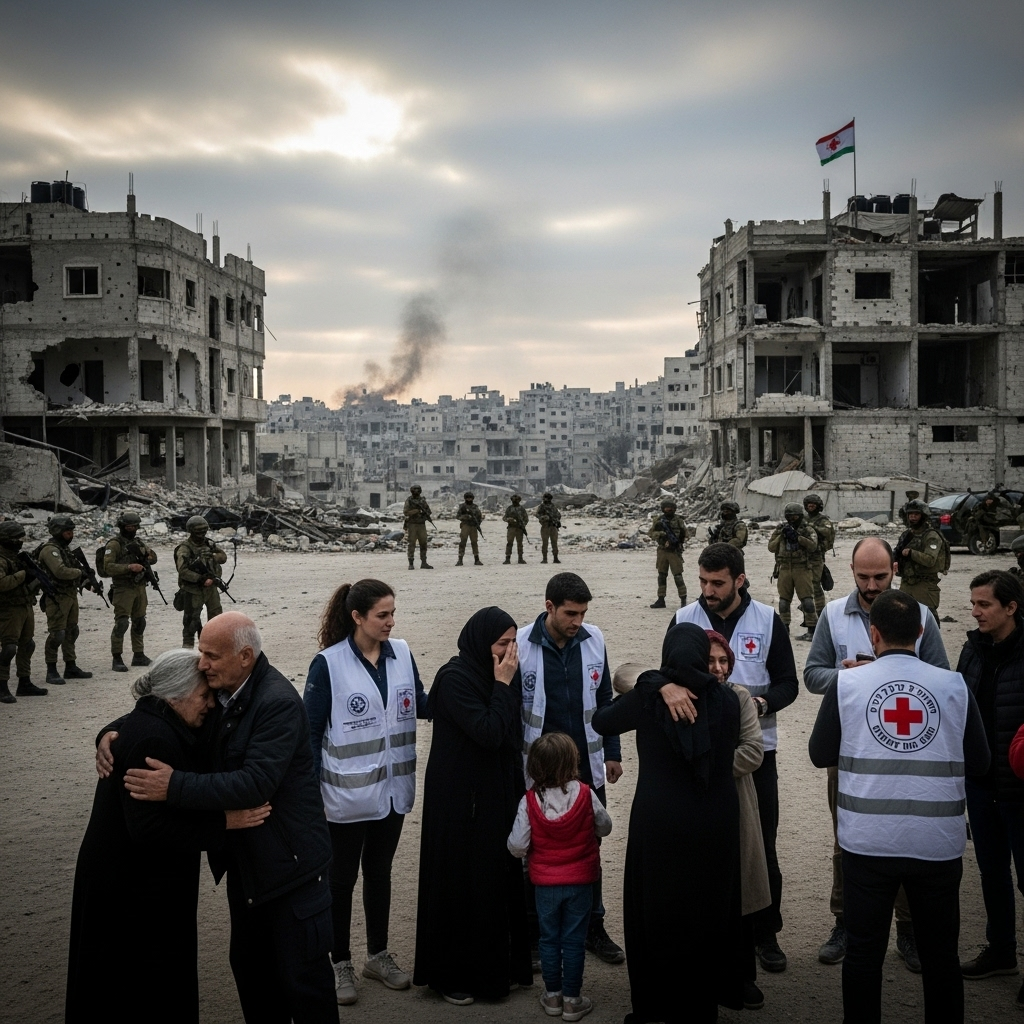
After weeks of intense fighting and mounting international pressure, a breakthrough has been reached: Israel and Hamas have agreed to a temporary truce, starting November 24th, to facilitate the release of hostages held in Gaza and Palestinian prisoners held by Israel. The agreement, brokered by Qatar, Egypt, and the United States, offers a rare glimmer of hope amid the devastating conflict that began on October 7th.
The Terms of the Deal
The agreement outlines a four-day pause in fighting in Gaza. During this period, Hamas is expected to release 50 hostages – primarily women and children – who were abducted during the October 7th attacks. In return, Israel will release 150 Palestinian prisoners, also predominantly women and children, from Israeli prisons.
Crucially, the deal includes provisions for increased humanitarian aid to enter Gaza. The amount of aid is expected to significantly increase during the truce, focusing on essential supplies like food, water, and medical assistance for the civilian population. Furthermore, the agreement allows for fuel deliveries, which are critical for operating hospitals and essential infrastructure within the besieged territory.
“This is a significant and important step in the right direction,” stated U.S. President Joe Biden in a public address. “But it is only a first step. We will continue to work tirelessly to secure the release of all hostages and achieve a lasting peace.”
The Road to the Agreement
Negotiations were complex and fraught with difficulties. Qatar played a crucial mediating role, serving as a conduit between Israel and Hamas, which are considered terrorist organizations by many Western nations. Egypt also provided essential support, leveraging its close ties with both sides. The United States actively engaged in diplomatic efforts, pushing for a deal that would secure the release of hostages and alleviate the humanitarian crisis in Gaza.
The driving force behind the agreement was the immense pressure from families of the hostages, who have been tirelessly advocating for their return. International organizations, such as the Red Cross and the United Nations, have also urged both sides to reach a compromise.
Challenges and Concerns
While the truce offers a much-needed respite, significant challenges remain. The duration of the pause in fighting is limited to four days, and the future beyond that remains uncertain. Concerns persist about the potential for the conflict to resume after the truce expires.
Monitoring the ceasefire will be critical. Ensuring that both sides adhere to the terms of the agreement will require close coordination between mediators and potentially international observers.
Another concern is the scope of the hostage release. The 50 hostages represent a fraction of the approximately 240 individuals taken captive by Hamas. Securing the release of the remaining hostages will be a major priority for Israel and the international community.
Furthermore, the humanitarian situation in Gaza remains dire. While the increased aid deliveries during the truce are welcome, addressing the long-term needs of the population will require sustained and substantial assistance.
Impact and Future Outlook
The temporary truce represents a critical turning point in the conflict. It offers a much-needed opportunity to provide humanitarian relief to the people of Gaza and to reunite hostages with their families.
The success of the truce could pave the way for further negotiations aimed at achieving a more lasting ceasefire and addressing the underlying causes of the conflict. However, significant obstacles remain, and the path to peace will be long and arduous.
The international community has a vital role to play in supporting the truce and working towards a sustainable resolution. This includes providing continued humanitarian assistance, facilitating dialogue between the parties, and promoting regional stability.
