



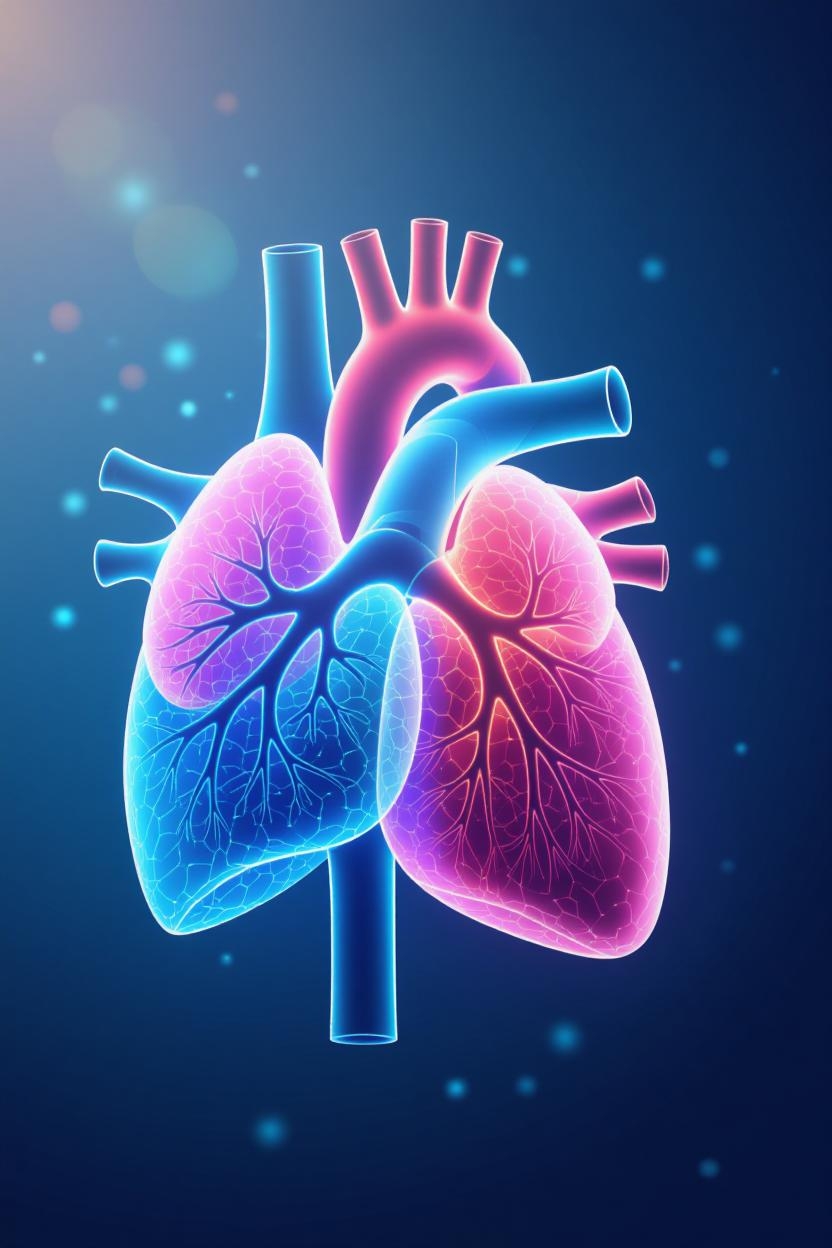
In a world where sedentary lifestyles dominate, a game-changing approach to fitness is gaining traction: “exercise snacks.” These aren’t sugary treats but brief, intentional bursts of physical activity—lasting just 1 to 5 minutes—spread throughout the day. New research from 2025 reveals they can significantly enhance heart and lung health, making them an ideal hack for time-strapped adults. A meta-analysis in the British Journal of Sports Medicine found that even inactive individuals saw marked improvements in cardiorespiratory fitness after incorporating these micro-workouts, potentially slashing risks of heart disease and diabetes.
Forget hour-long gym sessions; exercise snacks leverage the power of high-intensity interval training (HIIT) in bite-sized portions. Studies show they boost oxygen delivery to muscles, strengthen the heart, and enhance lung capacity without overwhelming schedules. With 83% adherence rates—far higher than traditional HIIT’s 63%—they’re sustainable and effective for the 80% of adults who fall short of WHO’s 150-minute weekly activity guideline.
What Are Exercise Snacks? Simple, Science-Backed Bursts
Coined in a 2021 Applied Physiology, Nutrition, and Metabolism paper, exercise snacks involve vigorous efforts like stair climbing, brisk walking, or bodyweight squats performed periodically. A 2025 systematic review in Frontiers in Cardiovascular Medicine analyzed 12 randomized trials involving over 500 sedentary adults. Participants did 2-3 daily snacks of moderate-to-vigorous activity, totaling under 15 minutes. Results? A 10-15% jump in VO2 max—a key measure of heart and lung efficiency—comparable to longer workouts.
Why do they work? Prolonged sitting spikes inflammation and impairs vascular function, per the American Heart Association. Snacking interrupts this, promoting blood flow and endothelial health. One study noted reduced blood pressure and better lipid profiles after four weeks, countering sedentary risks like fatty liver and insulin resistance.
For lungs, these bursts enhance respiratory muscle strength and oxygen uptake. A Scandinavian Journal of Medicine & Science in Sports meta-analysis linked them to lower chronic obstructive pulmonary disease (COPD) exacerbation risks in at-risk groups.
Proven Benefits: From Heart Protection to Muscle Gains
The 2025 British Journal of Sports Medicine synthesis pooled data from 20+ studies, confirming exercise snacks’ edge for inactive adults. Key wins include:
- Heart Health: Improved endothelial function reduces artery plaque buildup, cutting cardiovascular event risks by up to 20%. Interventional cardiologist Cheng-Han Chen, MD, notes these snacks mimic HIIT’s benefits minus the burnout.
- Lung Function: Enhanced VO2 max boosts aerobic capacity, vital for daily tasks. Sedentary participants gained endurance akin to moderate continuous training, per a Journal of Physiology review.
- Bonus Perks: Modest muscle strength gains (e.g., from resistance snacks like lunges) and better glucose control, lowering type 2 diabetes odds. No significant fat loss, but adherence fosters long-term habits.
A scoping review in Sports Medicine (2024) extended findings to older adults and clinical populations, showing feasibility for cancer survivors and those with metabolic issues.
| Benefit | Improvement | Duration for Results |
|---|---|---|
| Cardiorespiratory Fitness (VO2 Max) | +10-15% | 4-6 weeks |
| Blood Pressure | -5-8 mmHg | 2-4 weeks |
| Muscle Endurance | +8-12% | 4 weeks |
| Adherence Rate | 83% | Ongoing |
How to Start: Easy Exercise Snacks for Any Schedule
Incorporate them seamlessly:
- Morning Boost: 1-minute stair climb or jumping jacks post-coffee.
- Midday Revive: 2-3 brisk walks around the office or 10 squats at lunch.
- Evening Wind-Down: Bodyweight circuit—push-ups, lunges—for lung capacity.
Aim for 2-4 snacks daily, at moderate-to-vigorous intensity (you should huff and puff). Apps like “7 Minute Workout” adapt for beginners. Consult a doctor if you have pre-existing conditions, as per Mayo Clinic guidelines.
Experts like Carol Ewing Garber, PhD, from Columbia University, praise their accessibility: “They’re a low-barrier entry to fitness, especially surprising in cardiometabolic gains.”
The Bigger Picture: A Snack for Global Health?
With physical inactivity causing 6-10% of major diseases worldwide (WHO, 2024), exercise snacks democratize fitness. A 2025 Economic Times report highlights their role in combating desk-job epidemics, potentially saving healthcare systems billions. As research evolves, they could integrate into public health apps, tracking progress via wearables.
In essence, exercise snacks prove small actions yield big rewards. Ditch the all-or-nothing mindset—nibble your way to a healthier heart and lungs today.
Word count: 712
References:
- Everyday Health: ‘Exercise Snacks’ Could Boost Heart and Lung Health
- Medical News Today: Daily ‘exercise snacks’ linked to better heart and lung function
- News-Medical: Exercise snacks may help improve heart and lung health in sedentary adults
- PubMed: Exercise Snacks: A Novel Strategy to Improve Cardiometabolic Health
- NBC News: ‘Exercise snacks’ can improve heart fitness and muscle strength
- Frontiers: The effectiveness of exercise snacks as a time-efficient treatment
- Medical News Today: Exercise snacks: Definition, benefits, and more
- Healthline: Exercise Snacks: 1-Minute Workouts Can Improve Fitness
- Economic Times: Forget long workouts: Study says 5-minute ‘exercise snacks’
