



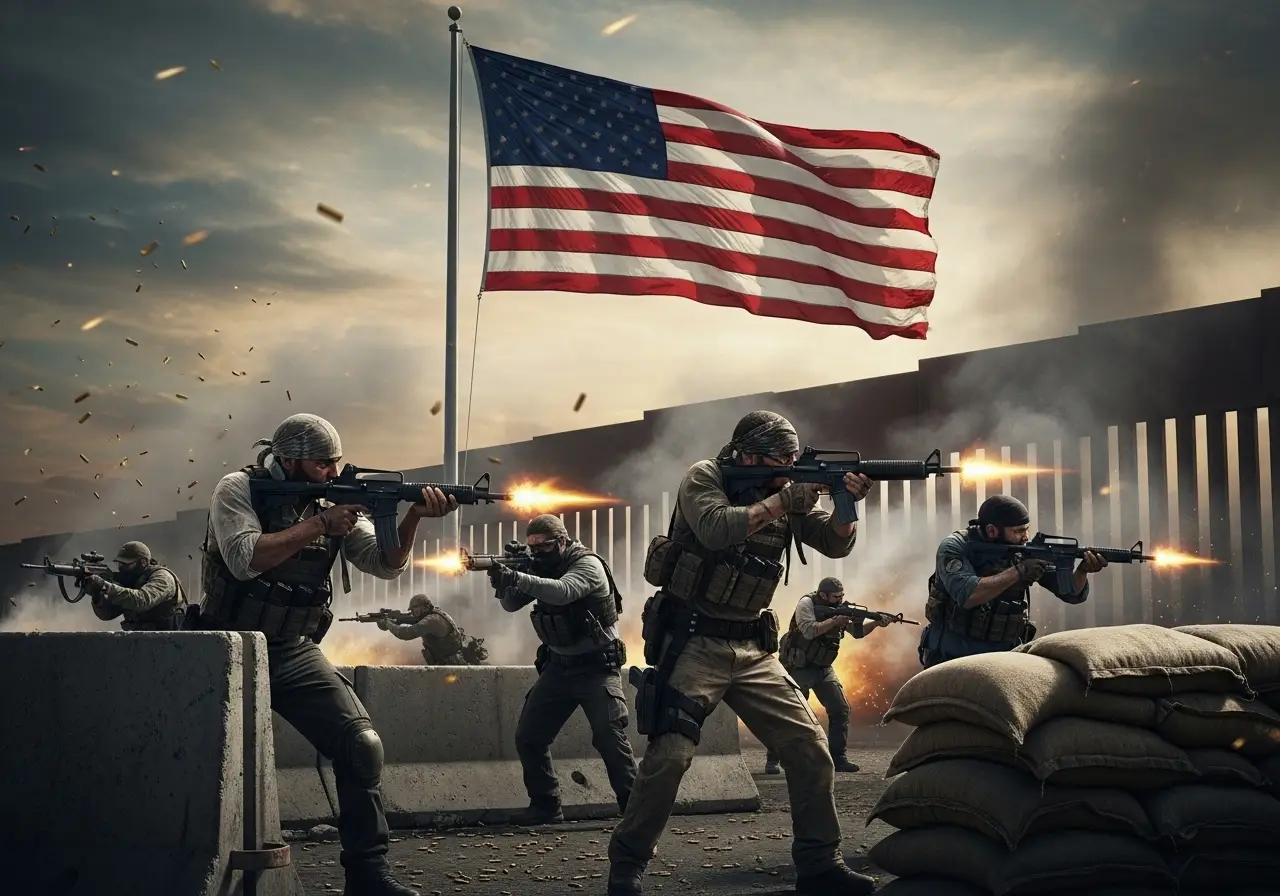
Trump Declares U.S. in 'Armed Conflict' With Drug Cartels: What It Means for Border Security and National Policy
In a bold escalation of U.S. drug enforcement policy, President Donald Trump has officially declared that the United States is engaged in a non-international armed conflict with transnational drug cartels. This move, announced on October 5, 2025, marks a significant shift in how the federal government classifies and combats cartel-related violence, with implications for military strategy, border control, and international law.
What Is a Non-International Armed Conflict?
Under international humanitarian law, a non-international armed conflict refers to sustained violence between a state and organized armed groups within or across its borders. By invoking this classification, the Trump administration is signaling that cartel operations—especially those linked to fentanyl trafficking and cross-border violence—have reached a level comparable to insurgency or terrorism.
This declaration allows the U.S. government to apply wartime legal frameworks to cartel activity, including the use of military force, targeted strikes, and expanded surveillance operations.
“We are fighting a war against ruthless criminal organizations that poison our communities and threaten our sovereignty,” Trump stated during a press briefing. “This is not just law enforcement—it’s national defense.”et consectetur adipiscing elit dolor
John Doe Tweet
Why Now?
The announcement comes amid rising tensions at the southern border and a surge in fentanyl-related deaths across the country. According to the DEA, synthetic opioids like fentanyl are responsible for over 70,000 overdose deaths annually, many of which are linked to Mexican cartels such as Sinaloa and Jalisco New Generation.
Recent cartel attacks on U.S. border agents and civilians have intensified calls for a more aggressive response. Trump’s declaration aligns with his broader campaign promise to “crush the cartels” and restore law and order.
What Changes Under This Declaration?
Here are the key shifts triggered by the armed conflict designation:
- Military Engagement: U.S. Armed Forces may now conduct operations against cartel infrastructure, including drone strikes and special forces missions.
- Expanded Intelligence Powers: Agencies like the NSA and CIA can increase surveillance of cartel networks without traditional law enforcement constraints.
- Legal Protections for Troops: Military personnel involved in anti-cartel operations will be covered under combatant status, shielding them from certain legal liabilities.
- International Pressure: The U.S. may urge Mexico and other nations to classify cartels as insurgent groups, opening the door for joint military action.
🇲🇽 Mexico’s Response
Mexico has historically resisted foreign military involvement on its soil, citing sovereignty concerns. However, the Trump administration is expected to push for bilateral cooperation, possibly offering military aid and intelligence sharing in exchange for joint operations.
Mexican officials have yet to formally respond to the declaration, but analysts predict a tense diplomatic negotiation ahead.
Legal and Ethical Concerns
Critics argue that blurring the line between law enforcement and warfare could lead to human rights violations and unintended consequences. Civil liberties groups warn that domestic surveillance and military deployment could infringe on constitutional protections.
Others question whether cartels meet the legal threshold for armed conflict under international law, which requires sustained and organized violence.
Political Impact
Trump’s move is likely to energize his base, especially voters concerned with immigration, crime, and national security. It also sets the stage for a broader debate on how the U.S. should handle transnational threats in the 21st century.
Whether this declaration leads to measurable success in curbing drug trafficking remains to be seen, but it undeniably marks a turning point in America’s war on drugs.
Reference:
You can read the full report on The Hill’s coverage of Trump’s declaration.
